Quick Answer: What are the different types of surgical forceps and their uses?
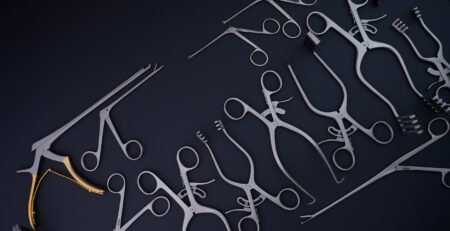
The different types of surgical forceps are categorized into three main groups: Hemostatic forceps (locking clamps used to compress blood vessels and control bleeding), Thumb forceps (spring-tension tweezers used to gently grasp, hold, or retract tissue), and Specialty forceps (heavy-duty or uniquely shaped tools like bone-holding clamps). Forged from medical-grade stainless steel, these instruments are essential for performing precise, atraumatic manipulation of human anatomy during surgical interventions.
The Engineering Behind the Grip: A Comprehensive Guide to the Types of Surgical Forceps
In the high-stakes environment of a modern operating room, precision is not just a preference; it is a critical requirement for patient survival. To achieve this precision, surgical teams rely on an extensive arsenal of specialized tools. Among the most fundamentally important of these tools are surgical forceps.
A common misconception outside of clinical hospital procurement circles is that forceps are simply generic “medical tweezers.” In reality, they are highly specialized, biomechanically engineered instruments designed to perform distinct, critical tasks. Using the wrong forceps—such as applying a heavy-toothed tissue forcep to a delicate blood vessel—can cause catastrophic tissue trauma. Conversely, using a delicate dressing forcep to grip dense abdominal fascia will result in the instrument slipping, endangering the patient and extending the operative time.
As a premier manufacturer of precision surgical instruments based in Sialkot, Pakistan, Rosh Tech forges and engineers forceps tailored to the exact physical demands of specific surgical fields. For international medical distributors, clinical educators, and hospital procurement managers, understanding the distinct types of surgical forceps and their specific applications is vital for making reliable, safe, and cost-effective B2B purchasing decisions.
In this comprehensive, in-depth guide, we will break down the metallurgy behind these instruments, explore the primary categories of forceps, detail their unique jaw designs, and examine their specialized clinical applications.
Part 1: The Metallurgy of Surgical Forceps
Before categorizing the instruments by their shape or function, one must understand the foundation of all surgical manufacturing: the materials. The structural integrity and functional reliability of any forceps begin at the microscopic level with the chemical composition of the steel.
Surgical forceps are not made from standard industrial metals. They are forged from highly specific grades of Medical-Grade Stainless Steel, primarily from the 300 and 400 series. The exact ratio of carbon (for hardness) and chromium (for corrosion resistance) dictates the instrument’s final clinical application.
- Austenitic Stainless Steel (The 300 Series): This steel contains lower carbon but higher levels of chromium and nickel. It is vastly more malleable, highly resistant to corrosion, and provides excellent spring tension. Non-locking thumb forceps (which rely on the surgeon pinching them together) are predominantly made from 300 series steel (like 304 or 316L) to ensure the spring mechanism does not snap after thousands of uses.
- Martensitic Stainless Steel (The 400 Series): This steel contains a higher carbon content, allowing it to be hardened through extreme heat treatment and tempering. Forceps that require heavy-duty locking mechanisms, aggressive teeth, or cutting elements utilize Martensitic steel to prevent the jaws from bending under intense mechanical pressure.
- Tungsten Carbide (TC) Inserts: For forceps that face extreme, repetitive wear (such as needle-holding forceps), stainless steel alone is sometimes insufficient. High-end forceps often feature gold-plated handles, which is the universal indicator that the working tips contain welded Tungsten Carbide inserts. TC inserts ensure that the forceps grip suture needles with absolute, unyielding security without the jaws wearing down over time.
All Klassic forceps manufactured at our Sialkot facility undergo rigorous passivation. This chemical process removes free iron from the surface of the steel, creating a microscopic, protective oxide layer. This ensures the instruments survive thousands of high-temperature, high-pressure autoclave sterilization cycles without rusting.
Part 2: Hemostatic Forceps (Locking Clamps)
Hemostatic forceps, universally referred to in the operating room as “hemostats” or “clamps,” are ring-handled instruments equipped with a locking ratchet mechanism near the finger rings.
The primary application of these forceps is hemostasis—the clamping and occlusion of blood vessels to stop bleeding before ligation (tying off) or electrocauterization. The ratchet allows the surgeon to clamp the vessel, lock the instrument in place, and let go, freeing their hands for other tasks. Our Klassic line of hemostatic forceps is engineered with precision-milled box joints to ensure the jaws align perfectly every time, preventing fatal vessel slippage.
1. Mosquito Forceps (Halsted)
- The Design: These are the smallest, lightest hemostats in standard surgical trays. They feature fully serrated, extremely fine jaws and come in both straight and curved profiles.
- The Application: Because of their delicate footprint, Mosquito forceps are used extensively in pediatric surgeries, plastic surgery, and superficial general procedures. They are designed to isolate and clamp very small, delicate capillaries and arterioles without crushing the surrounding healthy tissue.
2. Kelly Forceps
- The Design: Heavier, wider, and more robust than the Mosquito. The defining engineering feature of a Kelly forcep is that its transverse (horizontal) serrations only cover the distal half (the front half) of the jaws. The back half near the hinge is smooth.
- The Application: Kelly forceps are the absolute workhorse of general surgery. They are used to clamp medium-to-larger blood vessels and grasp heavier, denser tissues. The smooth basal portion of the jaw ensures that if adjacent tissue gets caught near the hinge, it is not accidentally crushed or traumatized.
3. Crile Forceps
- The Design: Very similar in size, weight, and shape to the Kelly forcep. However, the crucial difference is that the transverse serrations on a Crile forcep run along the entire length of the jaw, from the tip all the way down to the box joint.
- The Application: Crile forceps are used for clamping larger blood vessels or grasping larger tissue masses where a more aggressive, full-length grip is required. The full serrations ensure the tissue does not slip out of the back of the hinge under high pressure.
4. Rochester-Pean Forceps
- The Design: These are large, heavy-duty hemostats, significantly longer than Kelly or Crile forceps. They feature deep, fully serrated jaws.
- The Application: Used in deep abdominal or thoracic surgeries where surgeons need extended reach to clamp major blood vessels or grasp heavy, tough tissue masses (like the stomach or intestinal walls) securely.
5. Spencer Wells Forceps
- The Design: A Klassic hemostat featuring a shorter, stouter jaw profile compared to the Crile, designed to apply maximum occlusive pressure directly at the tip.
- The Application: Frequently used in general and gynecological surgery to clamp thick vascular pedicles rapidly and reliably.
Part 3: Thumb Forceps (Tissue & Dressing Forceps)
Unlike hemostats, thumb forceps do not have ring handles or locking ratchets. They operate on a simple spring-tension mechanism, pinched between the surgeon’s thumb and index finger (resembling heavy-duty tweezers). They are primarily used for grasping, holding, retracting, and manipulating tissue dynamically during dissection or wound closure.
Thumb forceps are broadly divided into two sub-categories: Tissue Forceps (which have teeth for a secure grip) and Dressing Forceps (which have smooth or serrated tips to prevent puncturing).
6. Adson Tissue Forceps
- The Design: Adson forceps feature a wide, ergonomically knurled (textured) thumb grip that abruptly tapers down to a very fine, narrow tip. They typically feature small, interlocking 1×2 teeth at the very tip.
- The Application: Adson forceps are essential in plastic surgery, dermatology, and general wound closure. The tiny 1×2 teeth allow the surgeon to securely hook and grasp the tough outer edge of the skin (dermis) without applying massive crushing pressure to the cells. Crushing the skin edges causes cell necrosis, which leads to thick scarring. Adson forceps ensure a flawless, atraumatic cosmetic closure.
7. Standard Dressing Forceps (Plain Forceps)
- The Design: These lack teeth completely. Instead, the jaws feature delicate horizontal serrations to provide a friction-based grip.
- The Application: These are highly atraumatic. They are used to handle highly delicate internal tissues (like mucosa, liver tissue, or bowel walls) where sharp teeth would cause punctures or bleeding. As the name suggests, they are also heavily used for packing deep wounds, applying sterile surgical dressings, and removing surgical debris from a cavity.
8. DeBakey Vascular Forceps
- The Design: A highly specialized thumb forcep featuring rows of microscopic, longitudinal, atraumatic teeth.
- The Application: Originally designed by cardiovascular pioneer Dr. Michael DeBakey, these are used to gently hold delicate blood vessels, arteries, and synthetic vascular grafts. The microscopic teeth provide a firm grip without puncturing the vessel wall or causing endothelial damage, which could lead to blood clots.
9. Russian Tissue Forceps
- The Design: These feature a broad, spoon-shaped tip with deep, interlocking serrations arrayed in a circular pattern around the edge of the tip.
- The Application: Used to grasp heavy, dense tissues securely without puncturing them. They are particularly useful in gynecological procedures and deep abdominal surgeries for handling slippery organs or retrieving excised masses.
Part 4: Specialty and Heavy-Duty Forceps
Different medical specialties require structural variations that go far beyond standard hemostats and thumb forceps. These instruments are uniquely engineered to solve specific anatomical challenges.
10. Bone Holding Forceps (Orthopedics)
- The Design: These are massive, heavy-duty instruments forged from high-carbon Martensitic medical stainless steel. They feature deep, aggressive jaws with heavy teeth, and rely on heavy locking ratchets or speed-locks to maintain extreme pressure.
- The Application: Used exclusively in orthopedic surgery and traumatology to grasp, stabilize, and align fractured bone segments during reduction and internal fixation (such as holding a bone in place while applying plates and screws).
- Complete Your Surgical Tray (Internal Linking Synergy): When outfitting a high-volume orthopedic operating room, heavy-duty bone holding forceps must be paired with aggressive resection tools. We highly recommend exploring our comprehensive collection of Orthopaedic Bone Cutters for aggressive initial resections, alongside our heavy-duty Bone Chisels for precise bone shaping and splitting to ensure your surgical team is prepared for any dense bone challenge.
11. Sponge Forceps (Foerster)
- The Design: Ring-handled forceps with long shafts that end in large, oval, fenestrated (ring-shaped) jaws.
- The Application: Primarily used in OB/GYN and general surgery. The surgeon grips a folded surgical sponge within the oval jaws to aggressively swab and clean deep surgical cavities, absorb pooling fluids, or apply direct pressure to a bleeding area deep within the abdomen or pelvis.
12. Magill Forceps (Airway Management)
- The Design: Angled forceps with loop-shaped tips, designed specifically to navigate the curvature of the human airway without obstructing the clinician’s line of sight.
- The Application: Used by anesthesiologists to guide endotracheal tubes into the trachea, or to remove foreign bodies from the airway.
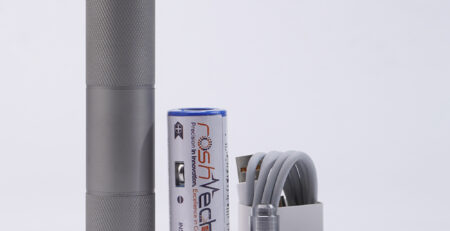
- Enhancing Airway Visibility (Internal Linking Synergy): Modern airway management requires flawless visibility. When using Magill forceps, hospital networks rely on brilliant illumination. We highly recommend upgrading your intubation setups with our highly advanced Eco+ diagnostic handles. Powered by our proprietary Super HD+ power supply and available in our compact mini line, these tools ensure brilliant, reliable white light during the most critical moments of an operation.
13. Tenaculum Forceps
- The Design: Long-handled, locking forceps that end in sharp, inward-pointing single or double hooks.
- The Application: Used heavily in gynecology. The sharp hooks are designed to pierce and grasp the cervix firmly, stabilizing the uterus to prevent it from moving during procedures like IUD insertions, colposcopies, or cervical biopsies.
Part 5: Direct Procurement for Global Markets
Understanding the diverse types of surgical forceps is the absolute cornerstone of effective medical procurement. Sourcing the wrong specification of a tool—or purchasing instruments forged from inferior steel—can lead to mechanical failure, compromised patient safety, tissue necrosis, and massively inflated hospital replacement budgets.
By partnering directly with a primary manufacturer like Rosh Tech in Sialkot, global hospital networks, clinical procurement departments, and international medical distributors gain a massive strategic and financial advantage. You bypass exorbitant third-party distributor markups while gaining direct access to a comprehensive, ISO-compliant inventory.
Whether you are equipping a general surgery department with Klassic hemostats, outfitting a trauma center with heavy-duty orthopedic clamps, or modernizing an anesthesiology cart with our advanced electronics, you are guaranteed absolute structural integrity, specialized precision, and clinical reliability.
Complete Your Surgical Tray
While forceps are the foundation of grasping and clamping, they must work in tandem with heavy-duty resection and illumination tools to achieve clinical success.
When outfitting a high-volume trauma or orthopedic operating room, heavy-duty bone holding forceps pair perfectly with our specialized bone preparation tools. We highly recommend exploring our comprehensive collection of Orthopaedic Bone Cutters for aggressive initial resections, alongside our heavy-duty Bone Chisels for precise bone shaping and splitting.
Furthermore, modern surgical suites require flawless visibility. To illuminate deep surgical cavities while utilizing long-reach forceps, many hospital networks are upgrading to our highly advanced Eco+ diagnostic handles. Powered by our proprietary Super HD+ power supply and available in our compact Mini line, these tools ensure brilliant, reliable white light during the most critical moments of an operation.
Frequently Asked Questions
1. What are the main types of surgical forceps?
The main types of surgical forceps are Hemostatic Forceps (locking ring-handled clamps used to stop bleeding), Thumb Forceps (spring-tension tweezers used for grasping tissue), and Specialty Forceps (such as bone-holding or sponge forceps designed for specific anatomical tasks).
2. What is the difference between tissue forceps and dressing forceps?
Tissue forceps feature sharp teeth at their tips (like 1×2 teeth) to securely grasp and hold tough skin and fascia without slipping. Dressing forceps lack teeth, featuring only smooth or serrated tips, and are used for handling delicate, easily punctured internal tissues or for packing wound dressings.
3. Why are surgical forceps made of stainless steel?
Surgical forceps are manufactured from medical-grade stainless steel because it provides a critical balance of high tensile strength, edge retention, and immense resistance to rust. This allows the forceps to endure thousands of high-temperature autoclave sterilization cycles without corroding or mechanically failing.
4. What is the primary purpose of a hemostatic forcep?
The primary purpose of a hemostatic forcep is hemostasis. Surgeons use the ratcheted locking mechanism of the hemostat to clamp down on and compress bleeding blood vessels, stopping blood loss before tying the vessel off or using electrocautery.
5. How do Kelly forceps differ from Mosquito forceps?
Mosquito forceps are small, delicate instruments used for clamping tiny capillaries in superficial or pediatric surgeries. Kelly forceps are larger, heavier, and more robust, designed to clamp medium-to-large blood vessels in general and abdominal surgeries.
6. What are Adson forceps used for?
Adson forceps are specialized thumb forceps featuring a wide grip and a narrow tip with tiny 1×2 teeth. They are used primarily in plastic surgery and wound closure to gently hook and hold the tough dermal layer of the skin, allowing for precise suturing without crushing the cells.
7. Why do some surgical forceps have gold handles?
When surgical forceps (particularly needle holders) have gold-plated ring handles, it indicates that the working jaws of the instrument are equipped with Tungsten Carbide (TC) inserts. Tungsten carbide is significantly harder than standard steel, providing unparalleled grip and extending the lifespan of the tool.
8. Can stainless steel surgical forceps be reused?
Yes. Unlike single-use disposable plastic instruments, high-quality medical-grade stainless steel forceps are fully reusable. They are designed to be chemically decontaminated, ultrasonically cleaned, and sterilized in high-pressure steam autoclaves after every surgical procedure.
9. What type of forceps are used in orthopedic surgery?
Orthopedic surgery relies on heavy-duty specialty forceps, specifically Bone Holding Forceps. These instruments are massively reinforced and feature deep, aggressive teeth designed to securely clamp and stabilize dense cortical bone fragments during fracture reduction and plate fixation.
10. How should hospitals procure reliable surgical forceps?
Hospitals and international distributors should procure reliable surgical forceps by partnering directly with established ISO-compliant medical manufacturers, such as Rosh Tech in Sialkot, Pakistan. Direct B2B procurement ensures high-quality metallurgical standards while eliminating excessive third-party distributor markups.
Stay connected with the future of medical manufacturing:
📷 Follow us on Instagram:instagram.com/roshtechofficial for behind-the-scenes looks at our Sialkot forging process and new product showcases!